
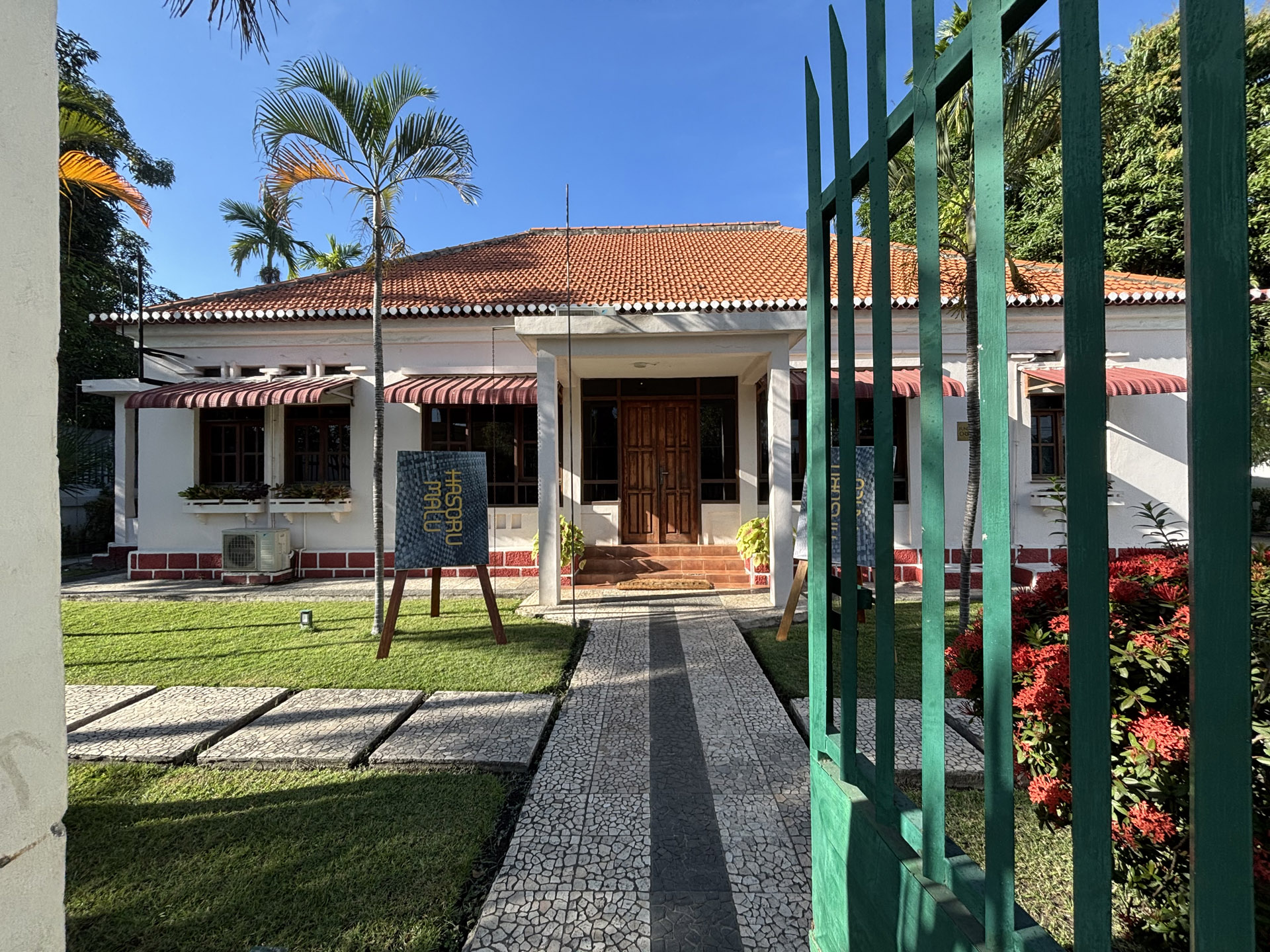
AWDB speaks to curator Loredana Pazzini-Parraciani on the occasion of her appointment to lead Timor-Leste’s Pavilion at the 2026 Venice Biennale. This marks only the second time the nation presents at the Biennale, following Maria Madeira’s exhibition in 2024. Titled under the Biennale’s theme ‘In Minor Keys’, the pavilion will amplify voices often excluded from global narratives and present Timor-Leste’s art scene to an international stage.
Parraciani, who has previously curated exhibitions such as ‘Disobedient Bodies: Reclaiming Her’ and ‘Matrilineal’, is recognised for centring underrepresented voices across Southeast Asia. Her research trip to Timor-Leste and open call process have shaped a pavilion that highlights the plurality of Timorese experience while situating it within global conversations on art and identity.
Timor-Leste’s art scene is still mostly unheard of in the Western art world. Perhaps due to its small size and segregation in the world at large, as a country, it remains largely unknown to many in the West. Through your research and the open call, what recurring themes or techniques in Timorese art define it?
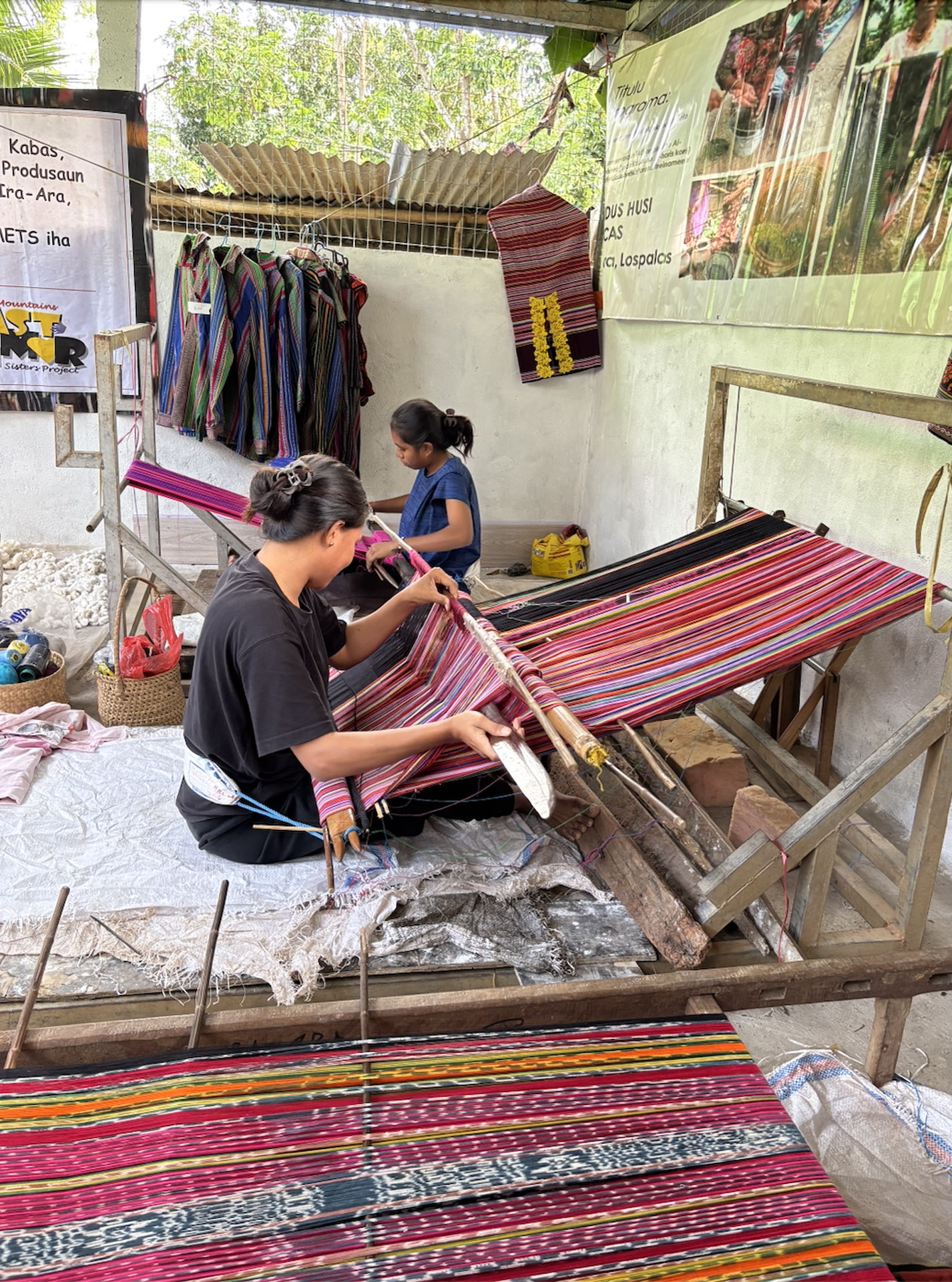
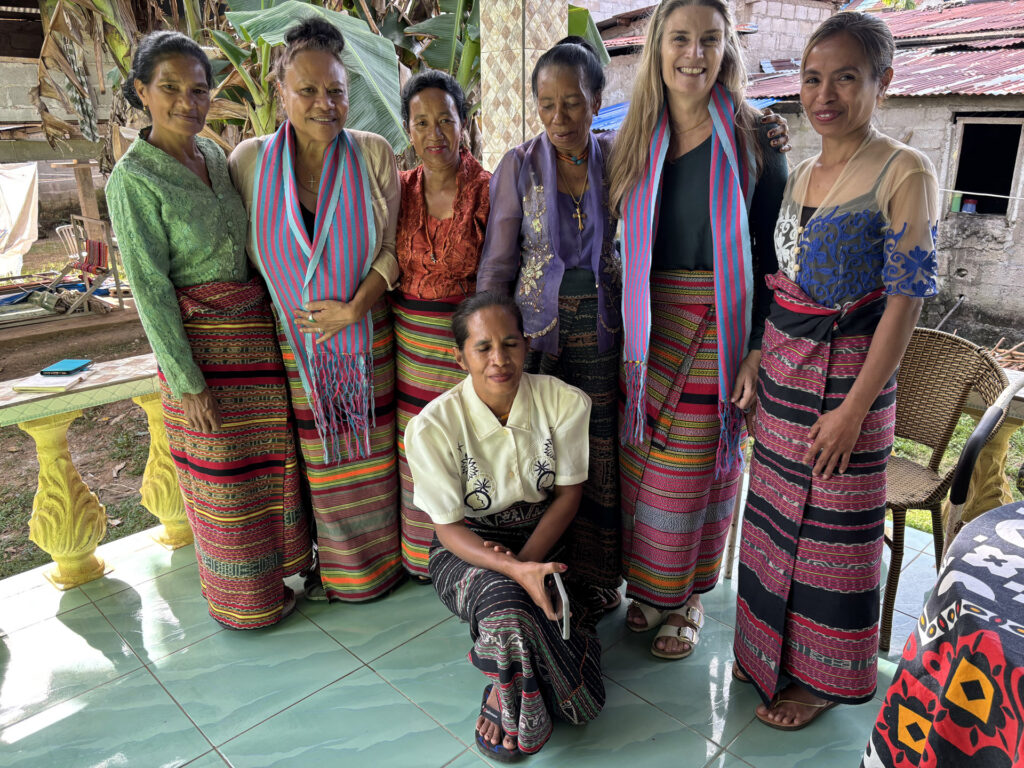
Despite its small size and a history marked by colonisation and military occupation, Timor-Leste has managed to preserve its multilayered culture—its rituals, languages, and social structures. This is remarkable. Art, understood not merely as an object of beauty but as a vital form of expression, has always been part of daily life in Timor-Leste, particularly through the tradition of tais. Now recognised by UNESCO as part of the world’s cultural heritage, tais are distinctive handwoven textiles unique to each of Timor-Leste’s 13 provinces.
Traditionally, tais have been—and still are—used in religious ceremonies, to welcome guests, and as a form of visual communication. Each province’s tais carries distinctive patterns, reflecting its history and traditions. Tais, along with woodcarving and basketry, are centuries-old practices. Far more than mere crafts, they embody the visual and artistic essence of Timor-Leste’s culture.
You’ve spent time in Timor‑Leste as part of your research for the Pavilion. What moments have stayed with you the most?
My recent research trip was truly memorable. Although I have lived in Southeast Asia for 25 years, Timor-Leste was a complete surprise to me. It is a magical land—simple and undeveloped in some ways, yet incredibly rich in human relationships, culture, and customs. A deep sense of belonging to the land is central to the East Timorese identity, something I felt profoundly through my many conversations with artists, colleagues, weavers, poets, and government representatives supporting our pavilion.
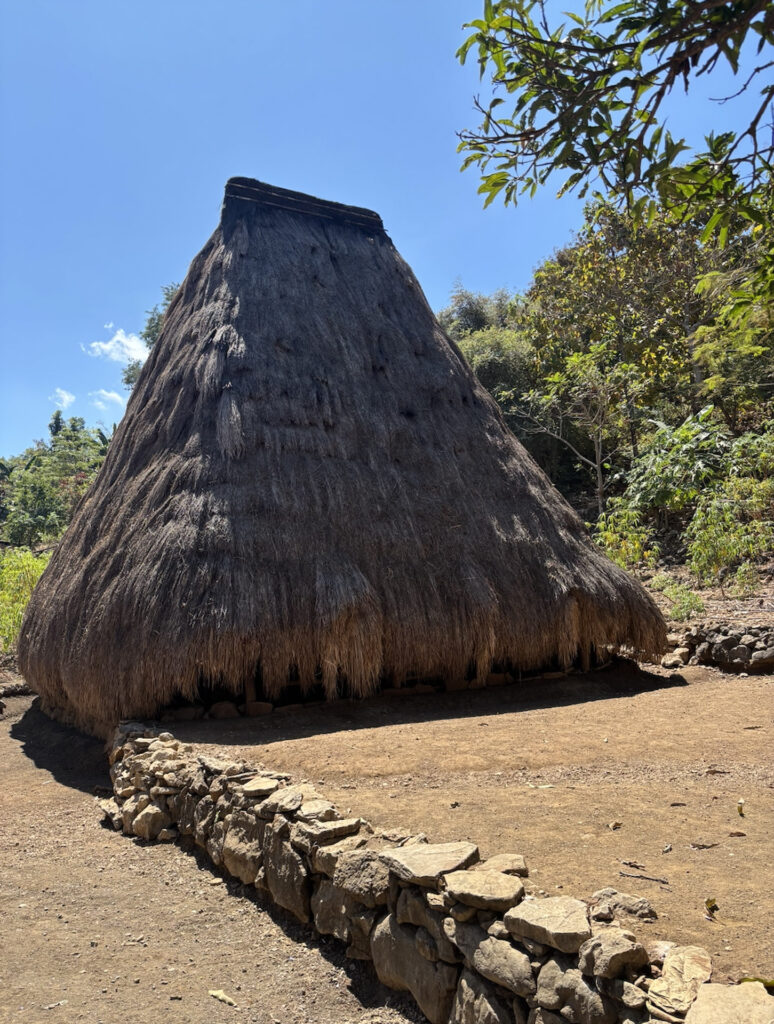
One experience that stayed with me was my time in Lospalos, a very remote part of the country. The journey took an entire day, although it was only about 150 kilometres; the roads were uneven and often unpaved, slowing us down. The drive itself was a treasure trove of learning, and my travel companion, Maria Madeira, proved to be the best teacher and storyteller of Timorese culture.
When we finally arrived, we were welcomed by the local weavers. Their stories, their smiles, and their warmth made the long journey more than worthwhile. And the scenery—wild, vast, and deeply moving—was unforgettable.
How does your past curatorial practice, in exhibitions like ‘Disobedient Bodies: Reclaiming Her’ and ‘Matrilineal’, inform your vision for the Timor‑Leste Pavilion?
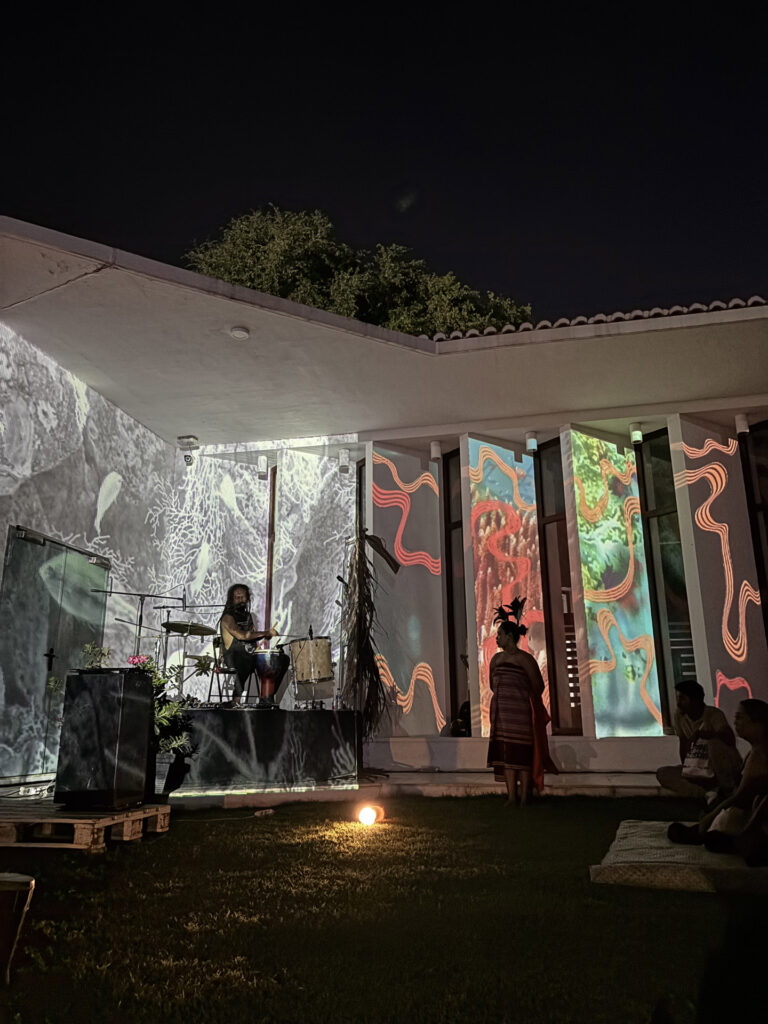
Of course, every past project informs, to some extent, the next one. Both ‘Disobedient Bodies’ and ‘Matrilineal’ focused on female narratives, explored from both female and male perspectives—especially in Matrilineal, where the artist Jakkai Siributr reflects on three generations of women in his family. I learned a great deal from both projects, particularly about the gender divide and the “minor voices” that persistently resurface, demanding that we acknowledge those lives and stories.
My research on women artists across Southeast Asia has also deepened my understanding of the role of women in Timor-Leste society. Maria Madeira, one of the eight female artists featured in ‘Disobedient Bodies’, gave me my first opportunity to engage with East Timorese culture. That experience was a turning point, as I am now entrusted with presenting Timor-Leste’s culture on the world’s most prestigious stage—an opportunity that feels both exciting and humbling.

You’ve said the Pavilion will amplify quiet voices and local traditions in response to the Biennale’s theme ‘In Minor Keys’. Can you give us some insight into how this affected your selection process?
Timor-Leste is shaped by a multiplicity of voices. Storytelling remains its most vital and traditional mode of communication: anecdotes are recounted, history is narrated, and experiences are transmitted orally across generations. During my time in Timor-Leste, I came to understand how crucial language is in shaping the country’s identity, grounded in its ethno-linguistic diversity.
This plurality of voices became the foundation for my curatorial approach. It guided me in identifying artistic practices that not only reflect this diversity but also engage with the Pavilion’s mission to amplify and translate these voices onto the global stage.
To gather both emerging and established voices for the Pavilion, we launched an open call directed at local East Timorese artists, as well as those in the diaspora. We were pleasantly surprised by how successful the open call was. This was the first initiative of its kind for Timor-Leste, which meant that many artists found the process of completing the application and providing the required documents to be challenging.
We conducted a thorough interview process, and I am pleased to say that we have identified remarkable talents who can be nurtured not only for this Pavilion but also for future biennales and art projects more broadly. We value both young and senior artists, and while we had to make some difficult decisions, I am very happy with the final selection. My trip to Timor-Leste and my encounters with East Timorese artists have deeply shaped my vision for the Pavilion.
In what ways do you hope the Pavilion contributes to redefining Timor‑Leste’s national narrative in a global setting?
Rather than speaking of redefining Timor-Leste’s narrative, we must acknowledge that it is, in many ways, being defined for the first time. Trauma, colonisation, and occupation did not define Timor-Leste as an independent nation, but rather as a territory occupied and subjugated.
The second edition of the Pavilion in Venice offers an unprecedented opportunity for Timor-Leste to speak for itself—to articulate its own narrative, to share the extraordinary cultural richness it has managed to preserve despite its traumatic past, and to present itself as a young, dynamic, and energetic country ready to engage in dialogue with the world.
SEA is still a heavily underrepresented region in the Venice Biennale and many other fairs like it. What does the inclusion of it mean for the country’s art scene?
Participating in the Venice Biennale is a major step for Timor-Leste—and indeed for any nation. As the oldest and most prestigious biennale in the world, it offers an unparalleled platform for Timor-Leste to draw international attention to its art practitioners.
Maria Madeira’s Pavilion was a remarkable success, and we are all committed to presenting an equally meaningful second edition. The Pavilion is not only an opportunity for Timor-Leste’s artists and its growing art ecosystem to be seen and heard globally, but also a chance for the people of Timor-Leste to engage with diverse cultures and ideas. In this sense, the Pavilion works in two directions: it brings Timorese artists to the attention of the world—and it brings the world to Timor-Leste.
The Timore-Leste pavilion at the 2026 Venice Biennale, curated by Loredana Pazzini-Paracciani, will be on view in Venice from 9 May to 22 November 2026. To keep informed, follow @timor_leste_pavilion2026 on Instagram and @loredanapp to stay up to date with Loredana’s journey.
INTERVIEW COURTESY OF ART WORLD DATABASE AND LOREDANA PAZZINI-PARACCIANI, SEPTEMBER 2025