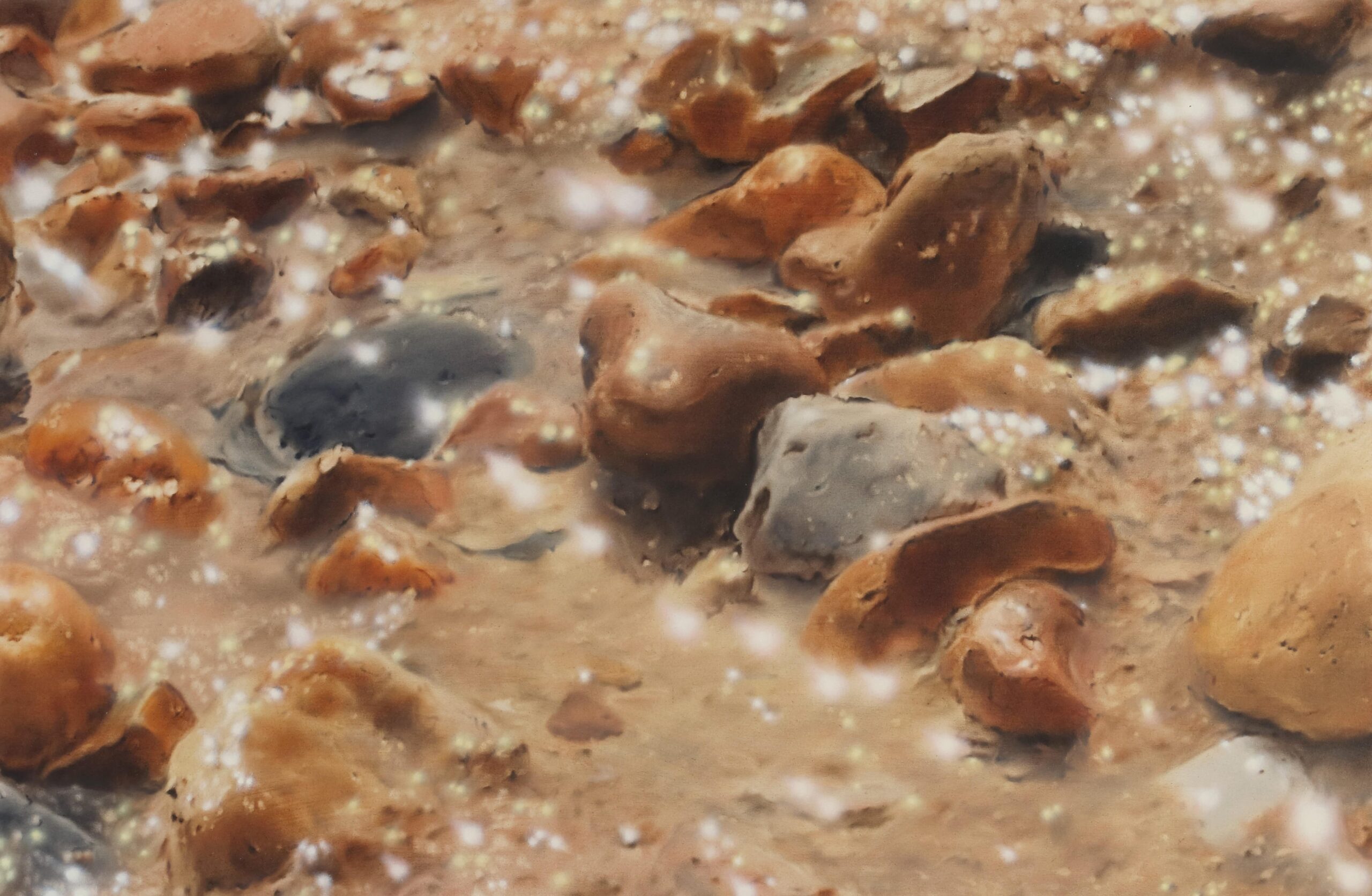
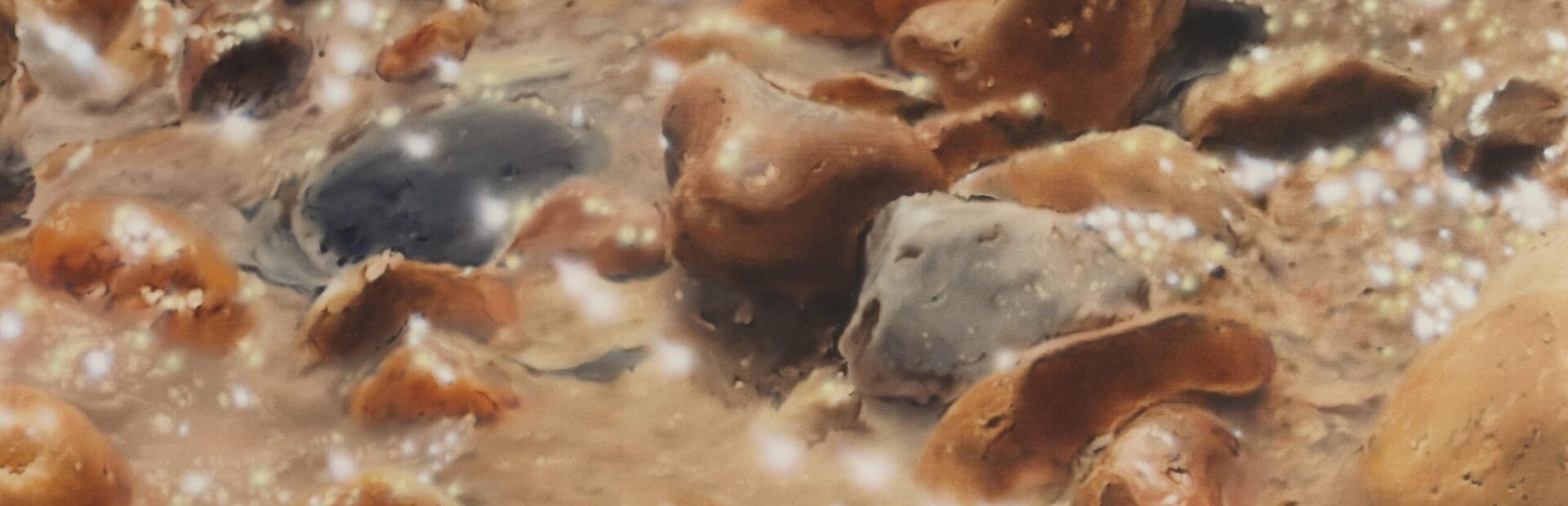
[vc_row thb_divider_position=”bottom”][vc_column][vc_column_text]AWDB speaks to James Prapaithong, a London-based Thai painter whose filmic works explore memory, isolation, and longing. His paintings, often focused on capturing light, trigger a nostalgic response from the viewer, his soft and blurred style creating a vagueness that is crucial for universal understanding. With his use of consistent photographic aspect ratios and source images, James’ paintings feel true to snippets of life that we all experience.
Prapaithong’s work is on show as a duo exhibition with artist Pam Virada titled ‘Pillows’ presented by Nova Contemporary as part of Condo London 2025. The title draws from Yasujiro Ozu’s cinematic “pillow shots” which use stillness to amplify feeling and unexpressed desire. Like Ozu’s shots, Prapaithong’s paintings in the exhibition are remarkably empty, devoid of characters and distinct subjects, creating a feeling of stillness and distant familiarity.
Walk us through the artwork you’re showing at Condo, and how they intersect with Pam’s work?
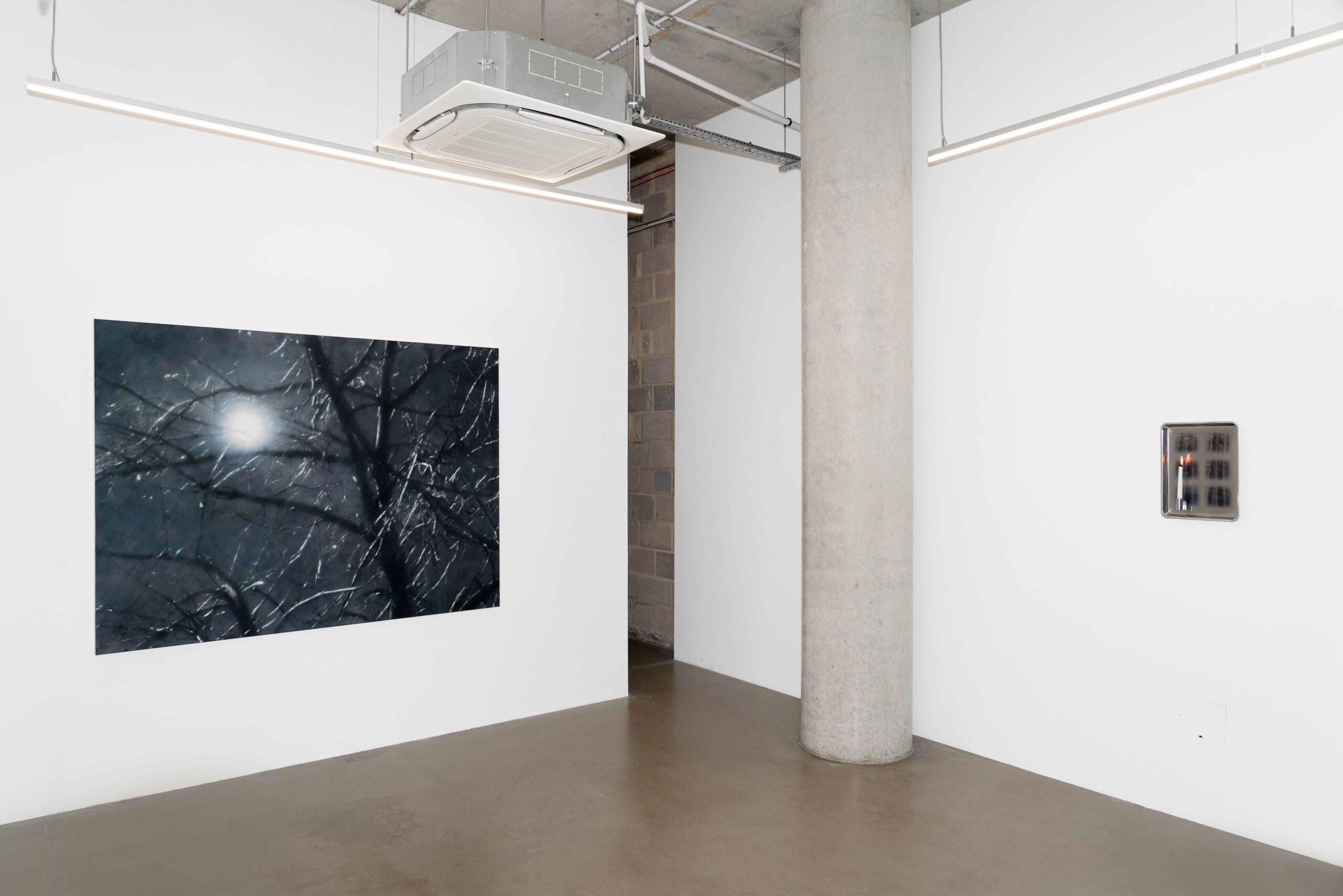
James Prapaithong and Pam Virada, installation view of ‘Pillows’, 2025, Project Native Informant hosting Nova Contemporary for Condo London. Image courtesy of the artists and Nova Contemporary. Photos by Wenxuan Wang.
For the central piece, titled ‘Fade Into You’, my focus was on light, particularly the way moonlight reflects off the branch. As I created this work, I kept the other artist, Pam, in mind, especially how candlelight flickers and dances across the metallic surface of her plates. When I discovered the image of this branch bathed in moonlight, it felt like a perfect complement, capturing a similar sense of reflection and interplay with light.
James Prapaithong and Pam Virada, installation view of ‘Pillows’, 2025, Project Native Informant hosting Nova Contemporary for Condo London. Image courtesy of the artists and Nova Contemporary. Photos by Wenxuan Wang
I thought my use of the moon, the element of water, would juxtapose and contrast Pam’s use of fire, but in the exhibition they don’t fight each other. They almost support each other, maybe because the flame of the candle is so fickle and soft. I think it all comes consciously, or unconsciously, together, even though it sounds like it might clash.
My two smaller works, ‘hide and seek with the moon’ and ‘hide and seek with the sun’ sprung from the idea that the moon and sun are omnipresent subjects; even if they’re hidden from view, we always know they’re present in the back of our minds. It’s like they’re playing a game, hence the titles.
The moon is a recurring motif throughout your work, not just in this exhibition. What keeps you returning to it?
The ‘Moon’ series began with my fascination with light, which for me is the trigger for nostalgia. I’ve always been drawn to the idea that certain elements can evoke specific memories. In Marcel Proust’s ‘In Search of Lost Time’, he writes about how the smell of a madeleine cake brings back his entire childhood. I’m inspired by the idea that a certain element can trigger certain memories, and in my search for that element I came across light. It might be because of my upbringing in Thailand, where the light was so different from the grey skies of London. Every time there’s a rare chance of seeing light here it brings me back to Thailand.
This connection to light naturally led me to the subject of moonlight and stars. But there’s also a personal layer: the ‘Moon’ series began during the pandemic. During lockdown, I wasn’t allowed to go out, and that really disrupted my practice, which has always been rooted in everyday chance encounters with light and scenes that inspire me. But one day, in my backyard, I looked up and saw the moon. It was the light I had been searching for, and it became a central motif in my work ever since.
The moon, for me, also symbolizes connection—it’s something we all share, a constant reminder that we’re all under the same sky.
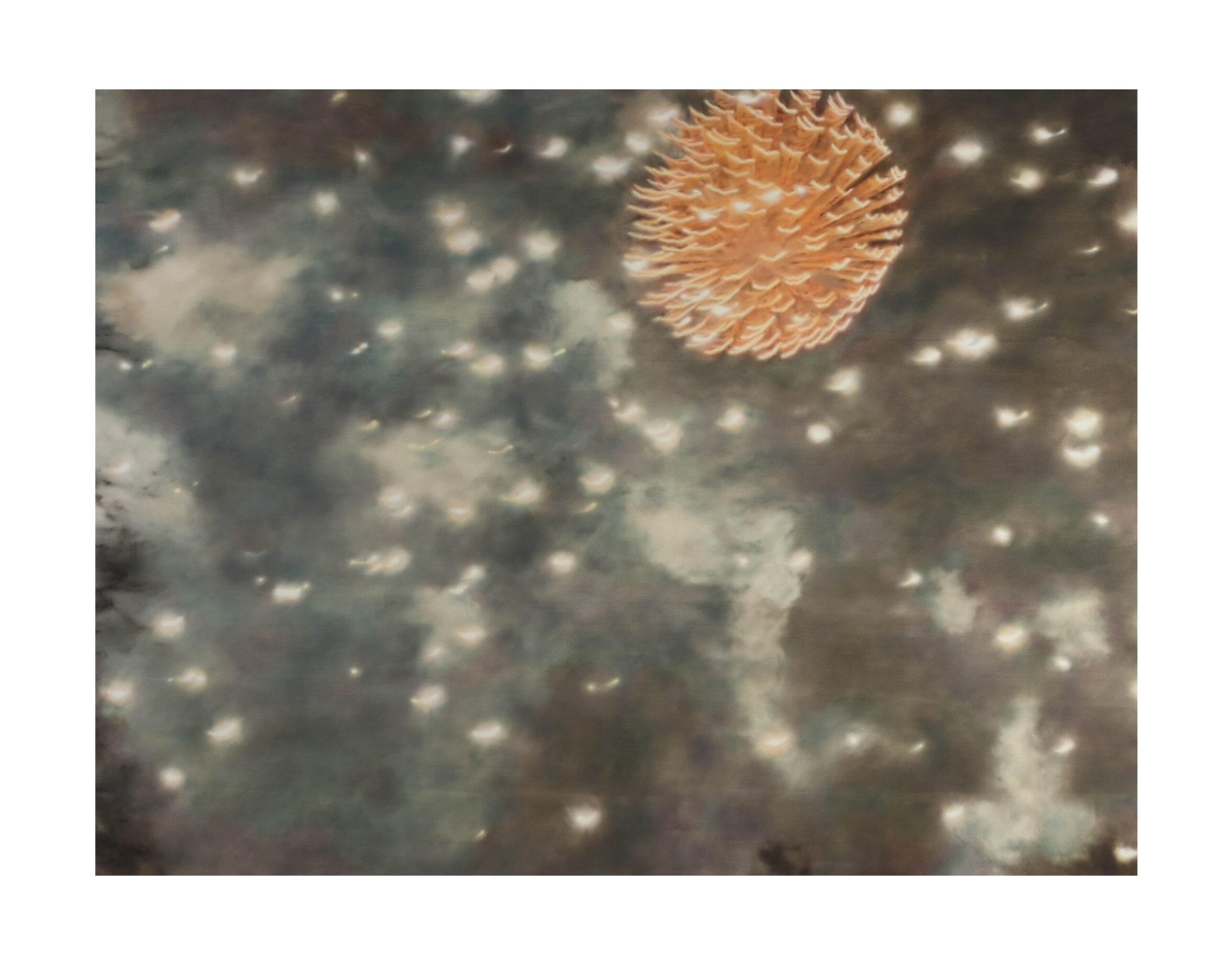
James Prapaithong, ‘The Night We Met’, 2024, oil on canvas, 210 x 280 cm. Image courtesy of the artist and Nova Contemporary
Did your transition from Thailand to the UK affect your practice, and does the change in culture inform the longing for memory in your artwork?
I actually moved to New Zealand before coming to London, where I spent my high school years. I left Thailand when I was around 13 or 14 and spent 6 years in New Zealand before moving to London. I think all artists paint from our own experiences, and these shifts in location have shaped my work.
Before focusing on the subject of light, I was interested in interiors and the concept of home, largely because I was constantly moving. The question of what it means to be “at home” or what my next home would look like was always on my mind. It made me reflect on what home truly is, and that idea became a starting point for my practice. From there, I began to delve deeper into my own sense of self, and as I explored the themes of home and interior spaces, they evolved into the focus of this exhibition. The memories of the places I’ve lived became central to my work, and nostalgia—along with what triggers it—became a key theme in my ongoing self-exploration.
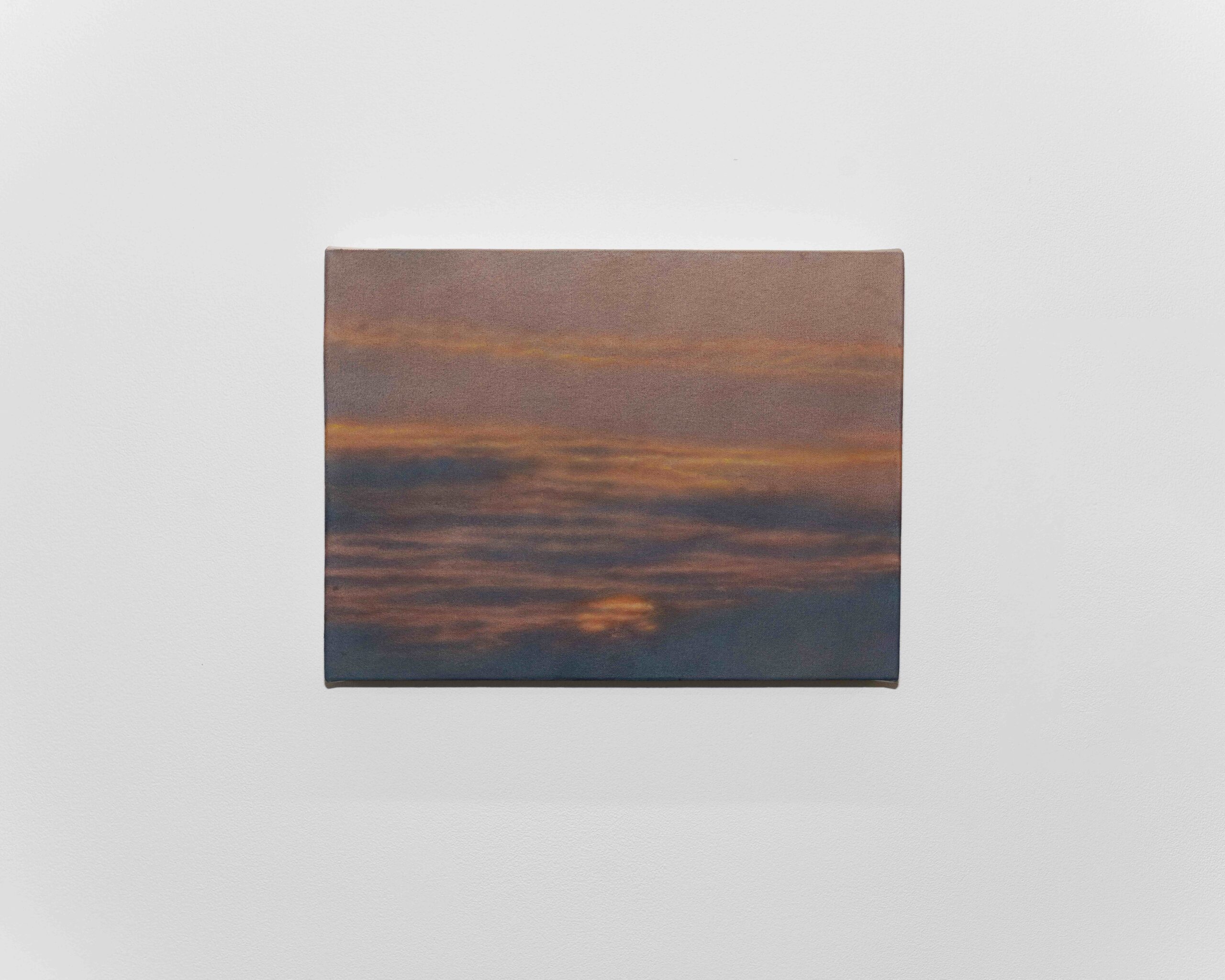
James Prapaithong, ‘Hide and Seek with the Sun’, 2024, oil on canvas, 30 x 40 cm. Image courtesy of the artist and Nova Contemporary
Your paintings are sometimes based on images, either ones you or those close to you have taken, yet all of them evoke a feeling of memory for the viewer. In your process how do you achieve this feeling?
Nostalgia is a very personal thing—what triggers it for me might not do the same for someone else, so it’s a challenge to achieve a universal painting language without being too vague. There’s a fine balance between being specific enough to convey personal experience and broad enough to resonate with others.
In terms of technique, it’s essentially dry brushing. I work with very dry paint, almost like applying makeup, and use this method on a rough rabbit-skin glue surface. The result is a soft, blurry, powdery effect that, for me, is what creates that trigger for nostalgia and memory—when things aren’t entirely clear, and you can’t quite pinpoint a specific time or place. This vagueness is crucial; it’s what triggers that nostalgic feeling.

James Prapaithong, ‘Like Fireflies’, 2024, oil on canvas, 30 x 40 cm. Image courtesy of the artist and Nova Contemporary
I also ensure there are no figures in my paintings; I often find them distracting. When figures are present, they naturally draw your attention and they become the focal point. I think that’s just human nature. Especially when figures are facing you, our eyes are instinctively drawn to the eyes of others, and that becomes the main element in the painting.
I want to remove that distraction. You become more aware of what’s missing—it’s a figurative painting, but without the figure, you yearn for it. Without a figure, the focus shifts more to the environment and the atmosphere—what you can feel rather than what you can see.
The softness of your paintings, sources, and consistent photographic aspect ratio do emphasise this filmic effect. Do you source inspiration from primarily other painters or more from filmmakers and photographers?
I think it’s a mix of both, but a lot of my biggest inspirations are filmmakers and photographers. Rinko Kawauchi, for example, is really prolific for me. She documents everyday life and I’m drawn to that feeling of mundane, quiet moments. Similarly, I’m inspired by Yasujiro Ozu and his concept of “pillow shots.” This idea actually served as the inspiration for this show, ‘Pillows’, which both Pam and I have drawn from.
Ozu has been one of my earliest inspirations. When it comes to painting, I tend to focus more on techniques. I love exploring how other painters work—how they layer their paint, their methods of creating texture, and so on.
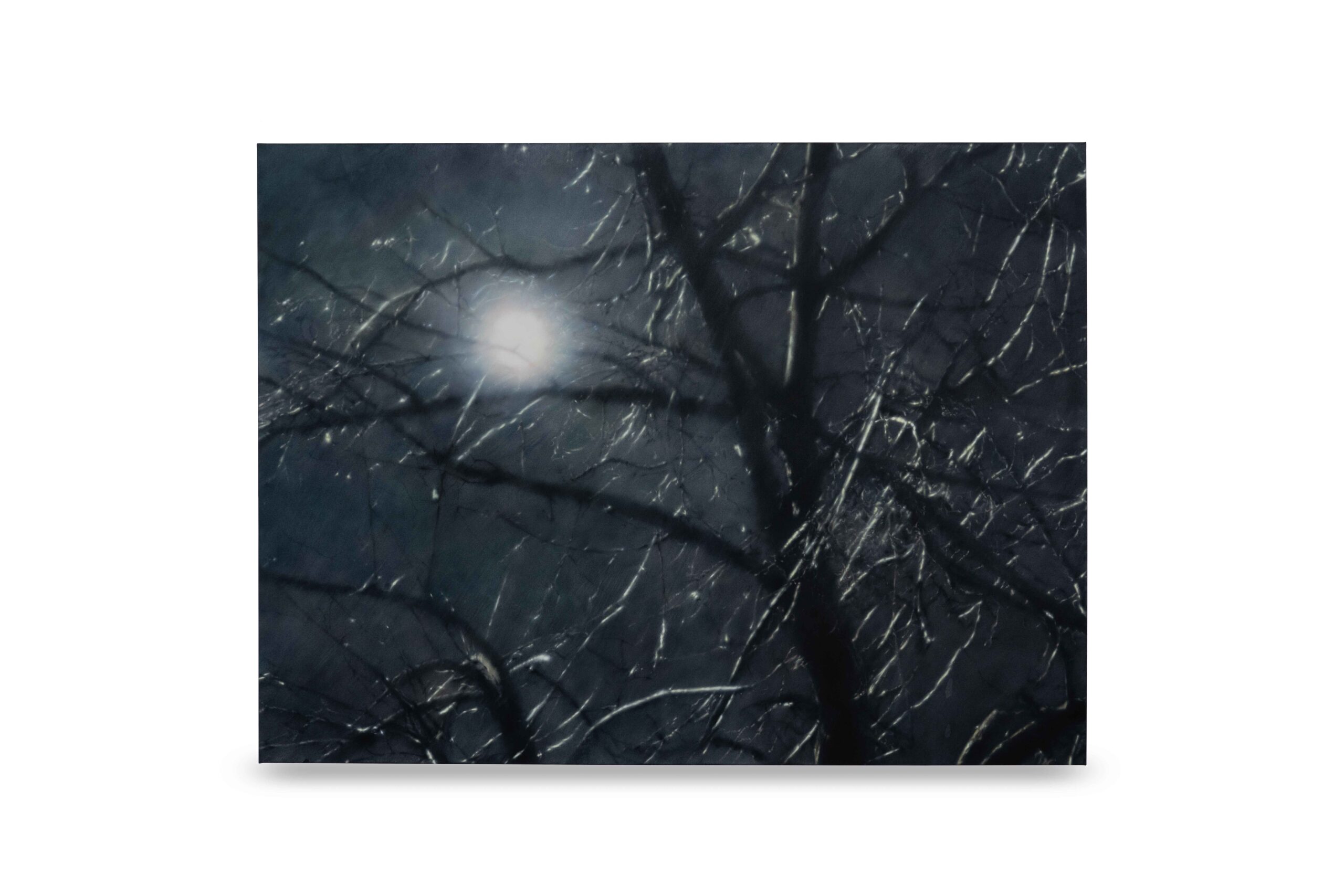
James Prapaithong, ‘Fade Into You’, 2024, oil on canvas, 150 x 200 cm. Image courtesy of the artist and Nova Contemporary
‘Pillows’ is currently on show at Project Native Informant in London until 15 February 2025 as part of Condo London. For more information, please click here.
INTERVIEW COURTESY OF ART WORLD DATABASE AND JAMES PRAPAITHONG, JANUARY 2025.
[/vc_column_text][vc_empty_space][/vc_column][/vc_row][vc_row thb_divider_position=”bottom”][vc_column][vc_column_text][/vc_column_text][/vc_column][/vc_row][vc_row thb_divider_position=”bottom”][vc_column][vc_column_text][/vc_column_text][/vc_column][/vc_row][vc_row thb_divider_position=”bottom”][vc_column][vc_column_text][/vc_column_text][/vc_column][/vc_row][vc_row thb_divider_position=”bottom”][vc_column][vc_column_text][/vc_column_text][/vc_column][/vc_row][vc_row thb_divider_position=”bottom”][vc_column][vc_column_text][/vc_column_text][/vc_column][/vc_row]