AWDB speaks to the curatorial team of ARTJOG 2025, constructed around the theme ‘Amalan’ (“practice” or “deed”). Since its founding in 2008, ARTJOG has established itself as a key platform for contemporary art in Indonesia, distinguished from commercial fairs by its emphasis on direct engagement with artists and community networks in Yogyakarta.
This year’s theme, ‘Amalan’, is the closing chapter of their “Motif” trilogy. Curated by Hendro Wiyanto alongside Bambang ‘Toko’ Witjaksono and Ignatia Nilu, the exhibition positions art as a contribution to society, realised through both individual practices and collective projects and traces the motivations, predictions, and responsibilities that shape artistic work.
ARTJOG 2025 marks the final chapter in Hendro Wiyanto’s “Motif” curatorial theme trilogy, following ‘Lamaran’ and ‘Ramalan’. Could you explain why ‘Amalan’ (interpretable artistic practices as everyday deeds) was chosen as this year’s motif, and a little more about its significance?
The first exhibition of the Motif trilogy, ‘Lamaran’, dealt with efforts to better understand the various motifs behind artists’ practices through this festival. The word motif itself is rarely heard in Indonesian art discourse — more often used by the police or investigators in legal cases. The first edition was, in a way, a “festival of motifs”. The second theme, ‘Ramalan’ (“prophecy”), sought to reconnect the idea of foretelling the future with various “divinations” from the past — dating back to the colonial period — made by art critics and writers about Indonesian art. One striking example was a prediction made in the 1960s that “Indonesian art does not exist; it will only exist one hundred years from now”. The connection sounds arbitrary, but it raises questions: why do people predict? If there is only one prophecy, how do artists imagine its outcome? Or perhaps, precisely because it is a prophecy, there can never be just one truth.
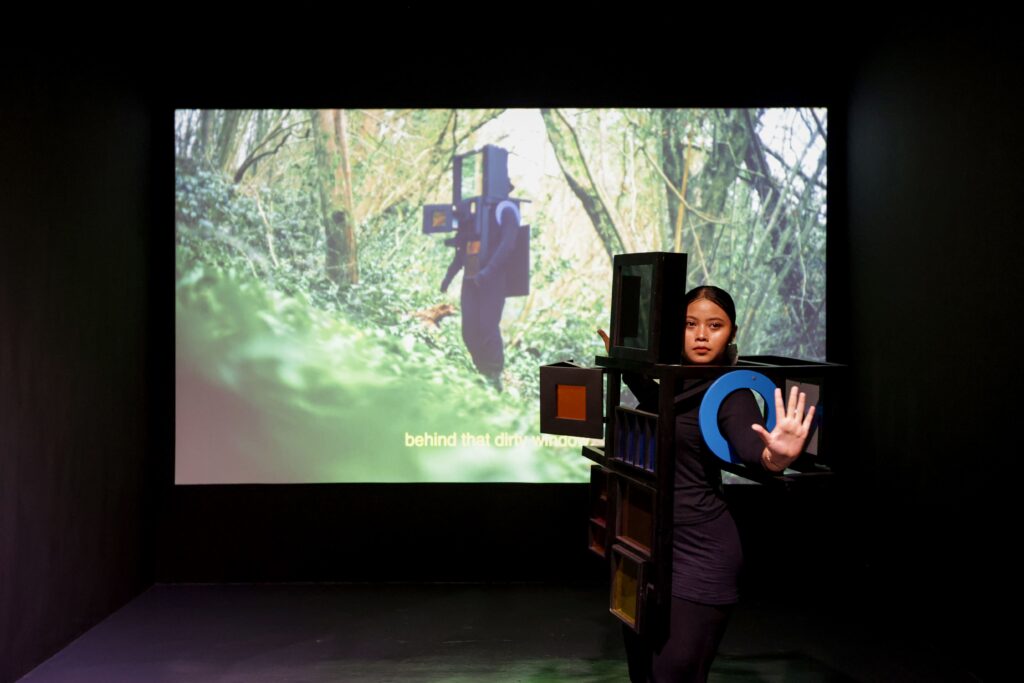
‘Amalan’ (“practice” or “deed”) is positioned as a gift from artists to their society, through their choice of becoming an artist, through their works, their imagination, and their explorations. In Indonesia, the word amalan is often linked to the idea of receiving “reward” or “pahala”. Yet the artist collective Ruangrupa once created a project titled “only giving without expecting return,” reminding us that the artist’s task is to give. Can we identify such a motif in the intentions of artistic practice? One way to approach it is to think of its antonym: “corruption” — a massive and persistent problem in Indonesia. Countless officials are involved in it, involving vast sums of money, and the state shows little genuine effort to tackle it.
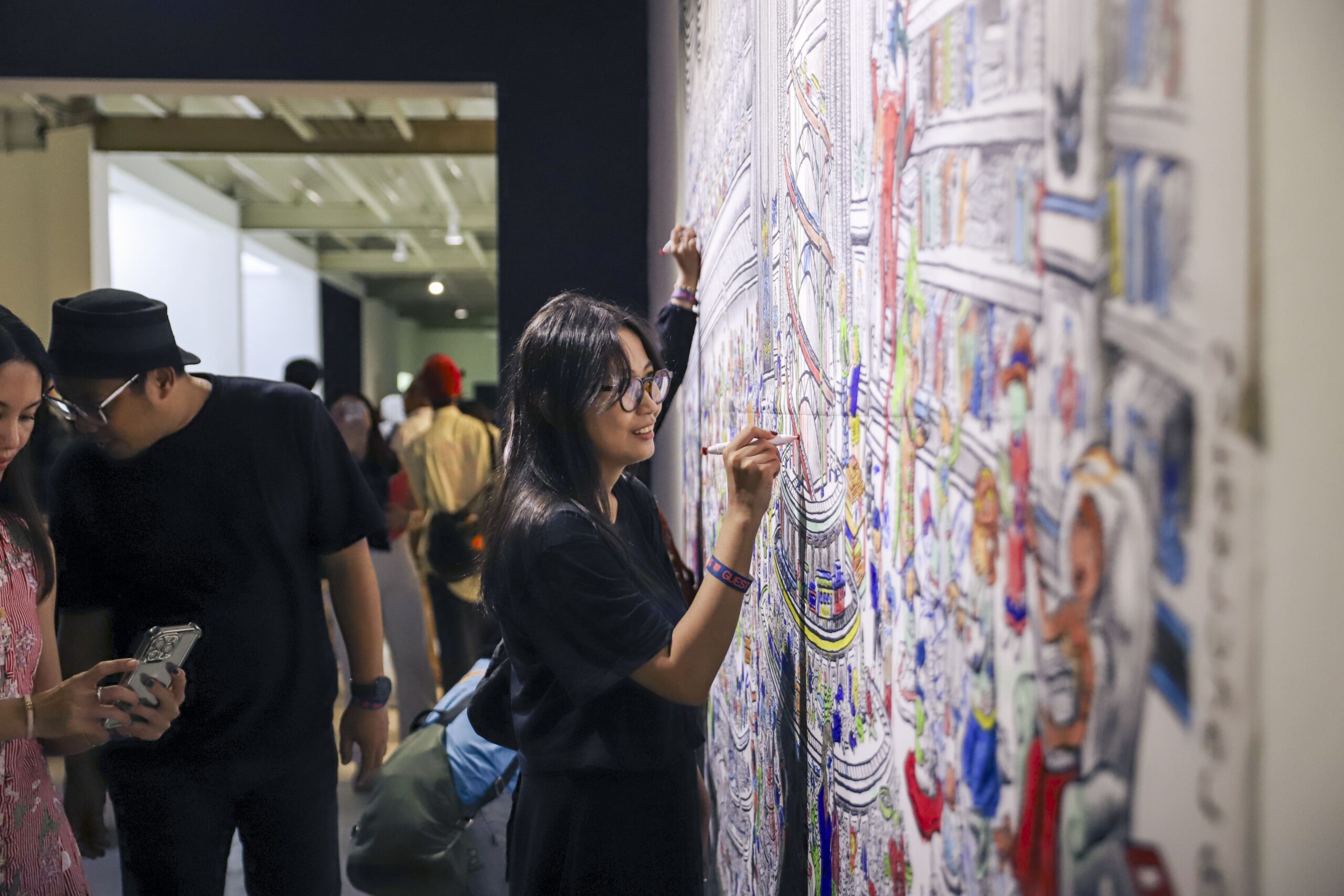
Participatory installations, the ‘special projects’ such as Murakabi Movement’s ‘Tanah Air βeta’ are unusual for traditional art fairs. How have audiences engaged with them, and what do you think they add to ARTJOG?
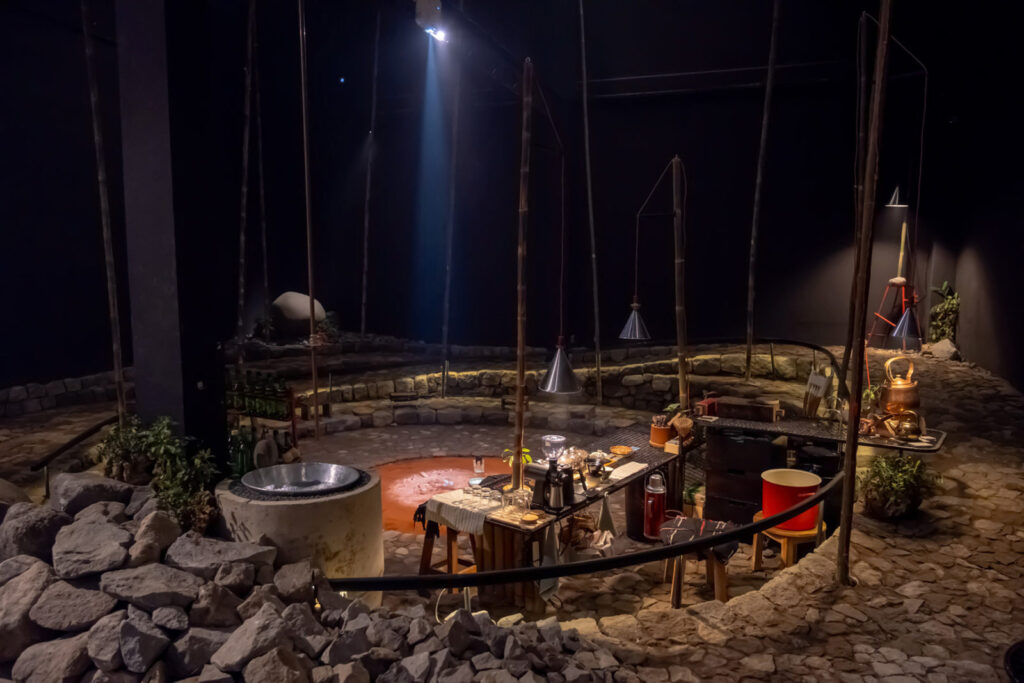
Projects such as ‘Tanah Air βeta’, ‘Taman Ruru’, and community collaborations like the collective repair of a village mosque go beyond conventional exhibition formats. The public does not merely come to view, but becomes actively involved in the exhibition space. This participation creates deeper collective experiences that spark conversations, awareness, and emotional closeness to the issues raised. Such projects add social and performative dimensions to ARTJOG, turning it from a space of visual appreciation into a meeting ground for ideas.
Yogyakarta is often described as the heart of Indonesia’s contemporary art scene. What would you say is misunderstood or underappreciated about the Jogja art scene by international audiences?
Yogyakarta remains a vibrant ground for contemporary art. Since its inception 18 years ago, ARTJOG has stood out as a festival that chooses to engage directly with artists and strives to present their works in the best possible way not through gallery representation as in most art fairs.
The strength of Jogja’s art scene lies in its community networks, collaboration, and cross-disciplinary relationships. It is not solely market-driven; it also fosters critical discourse through the exchange of ideas. Despite infrastructural limitations similar to other Indonesian cities, it is remarkable that thousands of artists in Yogyakarta continue to consistently produce new works.
How did you approach the artist and project selection this year, and what defined the final lineup?
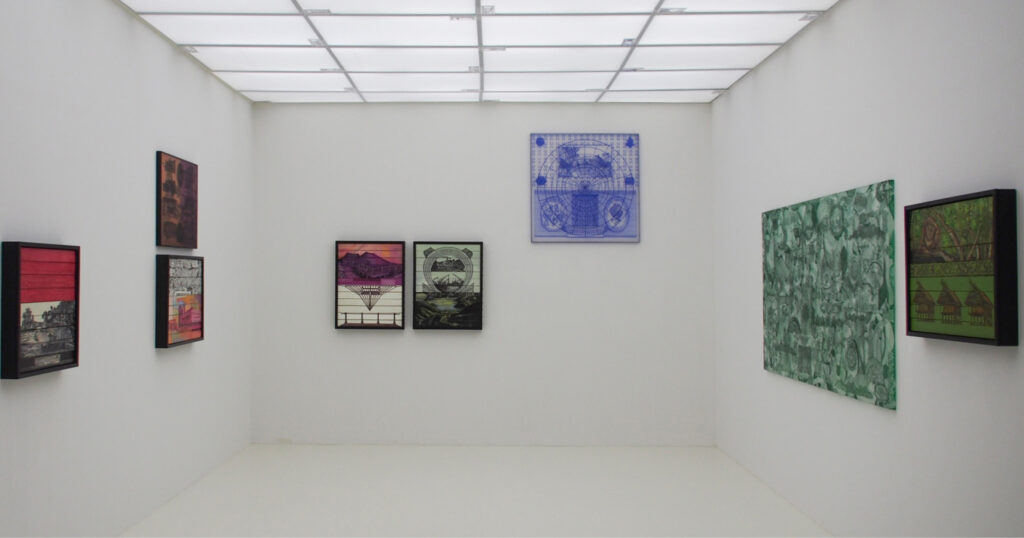
The curatorial team considers the diversity of mediums, artist backgrounds, and the motifs underlying each work’s interaction with the public. The aim is to present artists whose works not only hold strong visual qualities but also spark wider dialogues about everyday practices, ecology, identity, and local culture. The result is a lineup that reflects inclusivity and a multiplicity of perspectives. In everyday life, there is no deed (amalan) too big or too small; in art, some works are deemed more important than others. Yet it seems there has never been an artist who creates solely for themselves — their art always carries something beyond their initial intention or motif.
Many works stand out this year, especially those from young artists selected through the open-call (limited to participants under 35). Their engagement covers diverse issues—from home-based workers, forgotten “minor” histories, to the struggles of women balancing domestic life with their pursuit of art.
Now that the ‘Motif’ trilogy is concluding, what’s next for ARTJOG?
Next, ARTJOG has invited a new guest curator for the next three years and has set the theme: “Ars Longa Trilogia.”
This trilogy theme will be divided into three sub-themes: 2026 – Ars Longa – Generatio, 2027 – Ars Longa – Legatum, and 2028 – Ars Longa – Mundus.
ARTJOG 2025 is on view until 31 August at Jogja National Museum, Yogyakarta. For more information and tickets, please click here.
INTERVIEW COURTESY OF ART WORLD DATABASE AND ARTJOG, AUGUST 2025