
[vc_row thb_divider_position=”bottom”][vc_column][vc_column_text]
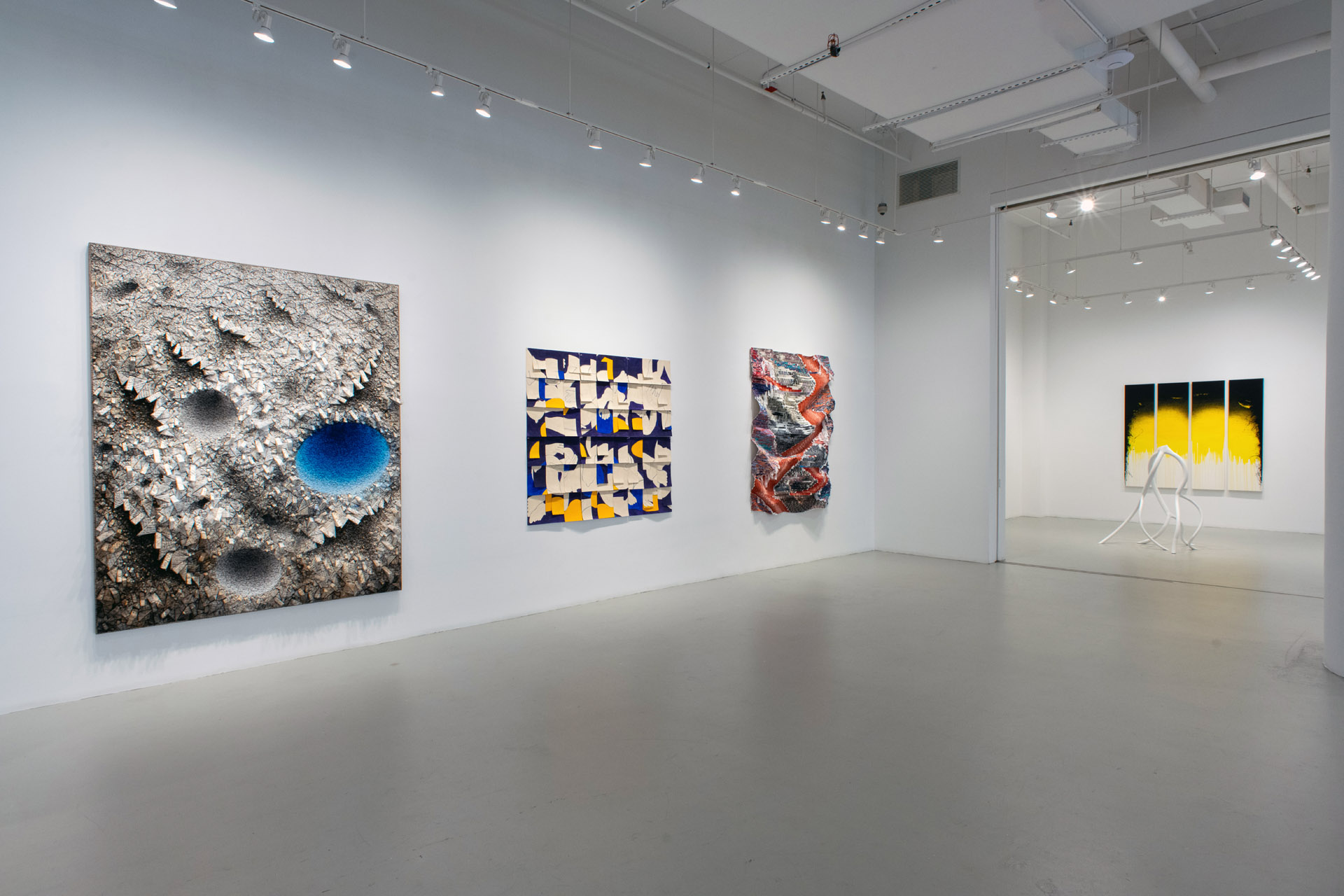
AWDB Speaks to Sundaram Tagore to celebrate 25 years of his global contemporary gallery, and its commemorative exhibition in New York City. Founded in 2000 with a mission to foster cross-cultural dialogue, the gallery has been pivotal in introducing underrepresented voices into global conversations, including artists from Southeast Asia and its diaspora.
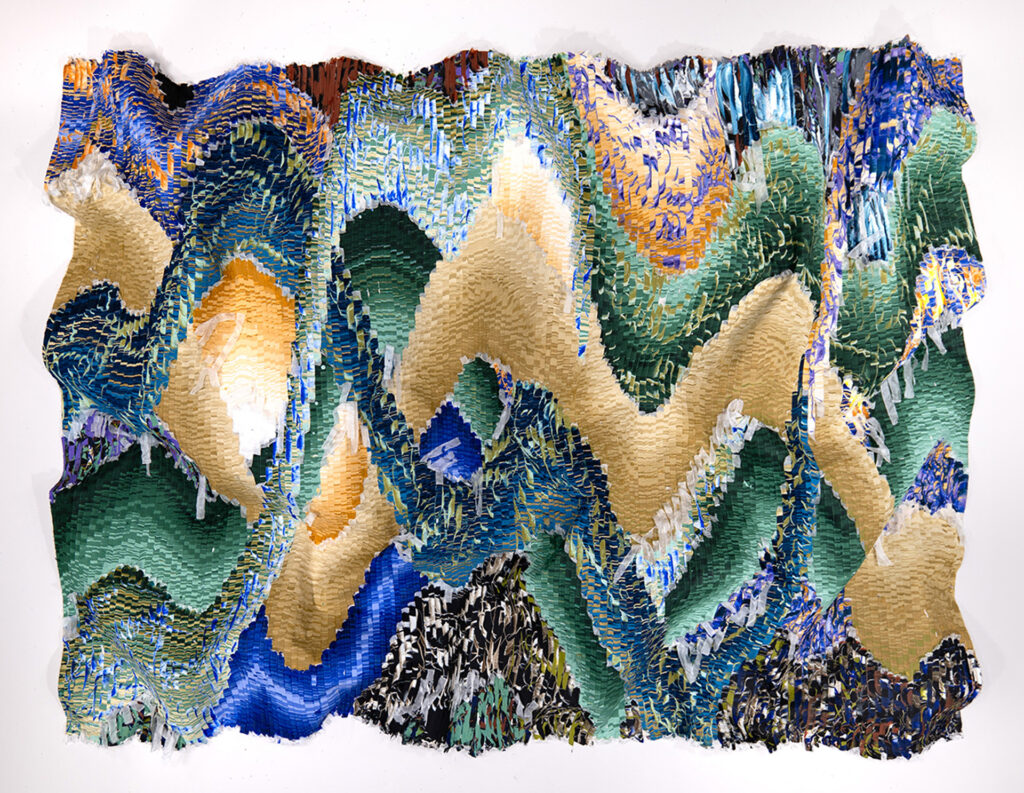
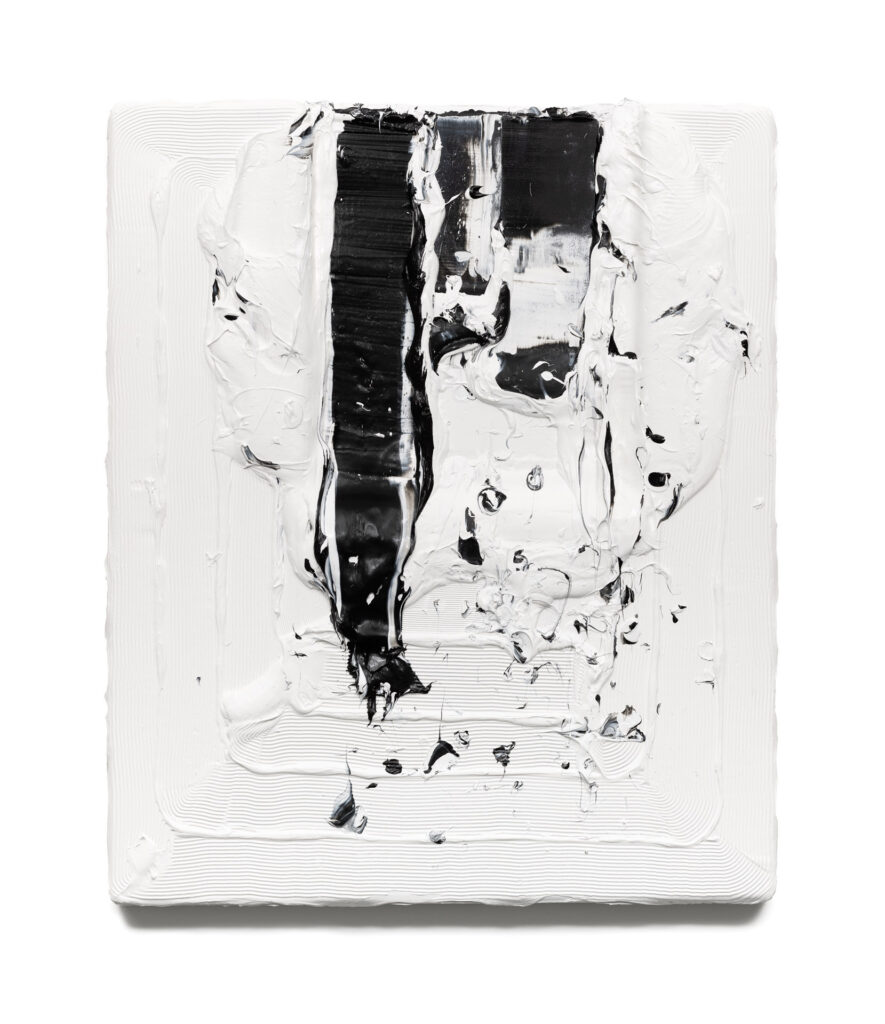
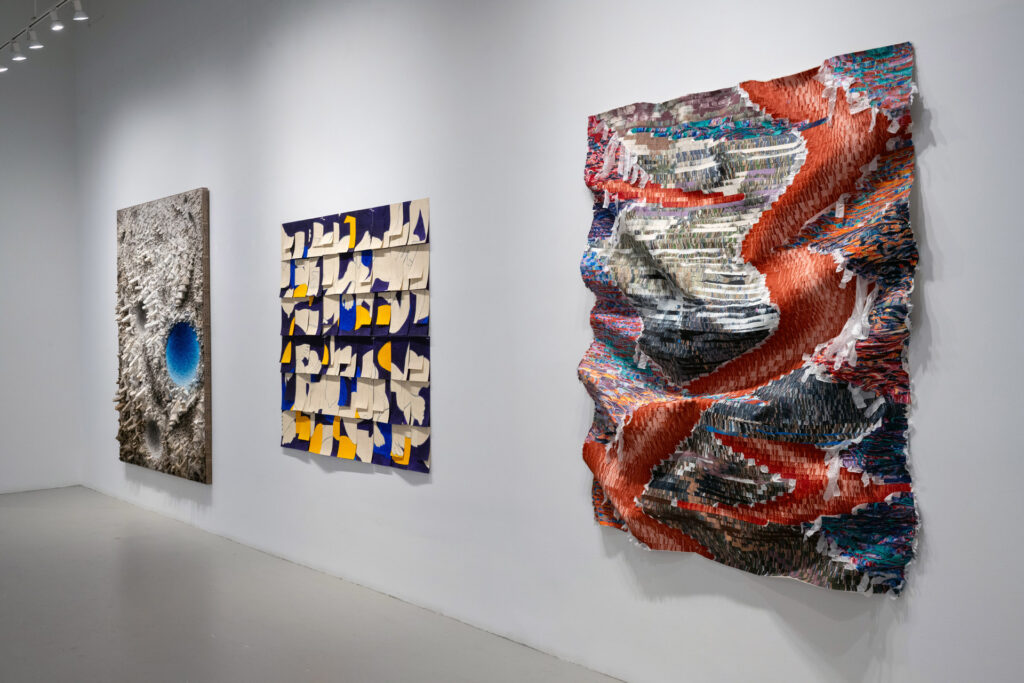
In this anniversary exhibition, works by Southeast Asian artists Kenny Nguyen and Jane Lee reflect the gallery’s ongoing engagement with the region. Both are known for material-driven practices that embody themes of migration and transformation. Their inclusion alongside long-standing global names such as Susan Weil and Sohan Qadri demonstrates the gallery’s commitment to both continuity and renewal as it expands into London and beyond.
This milestone exhibition features over 30 artists, some from Sundaram Tagore Gallery’s inception and others more recent. How does this blend of long-standing and newer voices reflect the evolution of Sundaram Tagore Gallery?
The gallery’s 25th anniversary marks a significant milestone in its history, reflecting not only the gallery’s deep commitment to showcasing truly talented artists, but it’s also evolving our curatorial vision.
The present exhibition, which comprises work by over 30 artists, is a meaningful reflection of the gallery’s growth—a blending of our long-standing voices with emerging new ones. It’s also highlighting both the individual artistic journey and the gallery’s developing role in the global art conversation.
From day one, we have been committed to presenting groundbreaking works by a global group of artists whose careers have spanned decades. The artists who joined the gallery roster in the earliest days, such as Susan Weil, Sohan Qadri, Joan Vennum, and Judith Murray, are all important artists in their own respect.
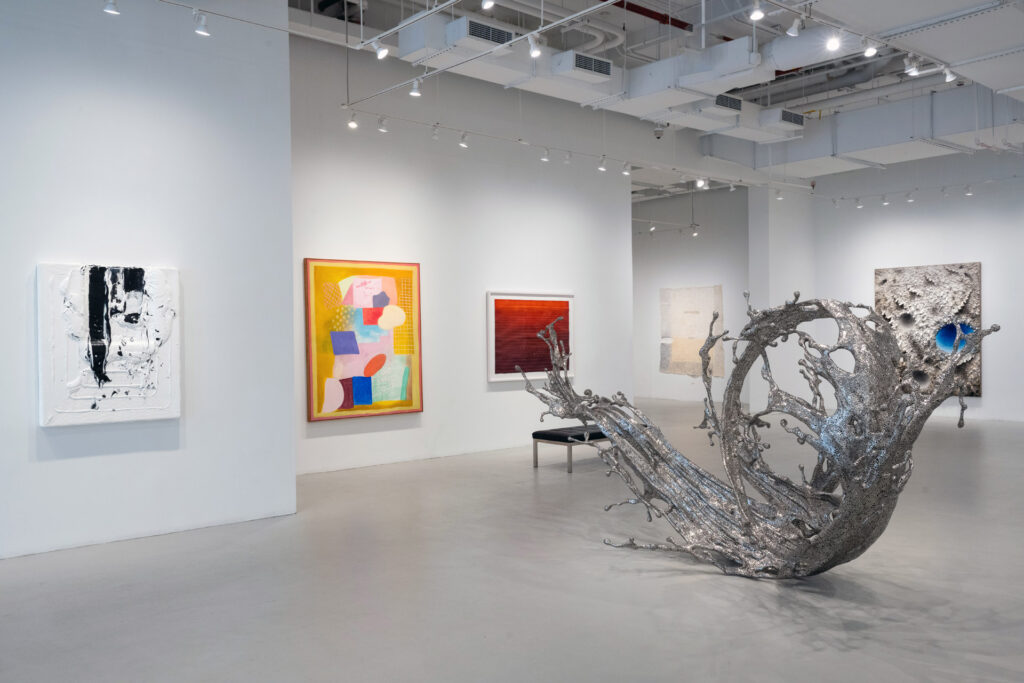
Over time, the gallery’s program expanded to feature internationally renowned names, such as New York-based Japanese artist Hiroshi Sanju, known for his powerful waterfall paintings, and the renowned Korean artist Chun Kwon Young, whose intricately wrought forms made from traditional hanji paper reflect the complexity and fluidity of contemporary history and politics.
Then we have integrated artists such as Kenny Nguyen, who moved with his family to the States from Vietnam, and whose work explores ideas of migration and transformation, and Trishla Jain, whose multidisciplinary approach brings a modern sensibility to spirituality.
I believe this dynamic blend of established and emerging artists not only highlights the diversity of artistic expression but also underscores the gallery’s ongoing evolution as it celebrates the 25th anniversary. It’s a careful balance between tradition and innovation, which has really helped the gallery become one of the most respected names in the international art world.
Given your dedication to promoting cross-cultural dialogue, how will the upcoming expansion and reopening of your London space continue to promote artists from Southeast Asia?
Cross-cultural dialogue has been the foundation of Sundaram Tagore Gallery since its inception in 2000 and this commitment, for me, is deeply personal and generational.
My family has been engaged in fostering global cultural conversation for over a century. They founded Visva-Bharati University in India with this very ethos in mind, bringing together artists, poets and scholars from around the world. As early as the 1920s, the university had centres for African Studies and hosted the very first Bauhaus exhibition to ever travel anywhere. So for us, cultural exchange and dialogue is not a trend. It’s a legacy.
While my gallery hasn’t focused exclusively on Southeast Asia, being in Singapore gives us access to a rich conversation and access to some of the most important Southeast Asian artists, such as Singaporean artists like Jane Lee. That said, the expansion and opening of our London space presents a unique opportunity, not just to showcase artists from Southeast Asia, but to further deepen our commitment to artists across Asia, including Japan, Korea, India, South Asia, and the Middle East.
Many of these artists are internationally acclaimed, and what draws me to their work is not about geography, but a shared emphasis on materiality, tactility and the presence of the artist’s hand.
Our new London space, which is slated to open this spring, will serve as a vital platform to continue fostering this global conversation so we can offer a much deeper, more layered understanding of contemporary art and the cultural narratives that are shaping it.
Looking back over 25 years, how has your focus on artists from Southeast Asia and the diaspora evolved, and what role do you see these artists playing in the future of global contemporary art?
Our gallery focuses on artists from around the globe who explore cross-cultural dialogue in their work, not only on Southeast Asian artists. Over the years, we have represented many Southeast Asian artists, but we also have artists from East Asia, South Asia, the Middle East, as well as Africa, Western Europe and North America.
Artists from Asia and the diaspora have become increasingly central to global conversation, not just because of their geography, but because of the depth of innovation and material richness they bring to their work. I see these artists continuing to shape the future of contemporary art by offering fresh perspectives rooted in tradition and history and deep engagement with process and form.
Are there recurring themes or approaches you’ve noticed in the Southeast Asian and diaspora artists you’ve worked with? And are there any that you’re particularly drawn to now?
I have noticed recurring themes such as the environment, human migration, spirituality—big universal subjects that resonate across cultures. I’m specifically drawn to artists who explore these ideas with a strong sense of materiality and presence, where the hand of the artist is deeply felt in their work.
What’s been the most memorable exhibition or moment that embodies the spirit of the gallery?
I would say one of the most memorable exhibitions and one that was most difficult to achieve, but absolutely embodied the spirit of the gallery, was Frontiers Reimagined, the exhibition we presented during the 56th Venice Biennale at the historic Palazzo Grimani in Venice in 2015.
The show explored themes of globalisation and cultural identity. It took almost two years to produce and ultimately become one of the largest official Collateral Events of the Biennale. We mounted this exhibition in collaboration with the Venetian Ministry of Culture, and it was one of the most ambitious and consuming projects I have ever worked on. The opening night was unforgettable, with over 1,000 guests from around the world in attendance, followed by an incredible celebration at the Aman hotel on the Grand Canal. The exhibition was later recognised as one of the top five shows to see during the Biennale, making a milestone in the gallery’s journey and a powerful example of what cross-cultural collaboration can achieve.
Sundaram Tagore’s 25th Anniversary Exhibition is on view at Sundaram Tagore Gallery, New York, and is on display until 4 October. For more information, please click here.
INTERVIEW COURTESY OF ART WORLD DATABASE AND SUNDARAM TAGORE, SEPTEMBER 2025.
[/vc_column_text][/vc_column][/vc_row]